TL;DR
A small rise in boiler pressure while the heating is running is normal — water expands as it heats and the expansion vessel takes up the extra volume, with the gauge settling back once the system cools. Pressure that falls while the heating is off and the boiler is cold is the pattern to worry about — it usually points to a leak or a failed expansion vessel rather than normal behaviour. Track the gauge over a day or two and if there’s a steady decline, get in touch through our contact form.
This distinction trips a lot of homeowners up, because a rising gauge feels alarming and a falling one can go unnoticed for days — when in fact it’s usually the other way round in terms of what actually matters.
Pressure rising when the heating is on: normal
When the boiler fires, the water in the system heats up and expands. A correctly working expansion vessel absorbs that extra volume, so you’ll typically see the gauge climb a few tenths of a bar above its cold reading. Once the heating switches off and the water cools, the vessel releases what it took up and the pressure eases back down towards the original cold figure. This rise-and-fall is expected and nothing to worry about, provided the gauge returns to roughly the same baseline each time the system is fully cold again.
Pressure dropping when the heating is off: the one to watch
A genuine problem shows up as pressure loss that persists while the boiler is cold and the heating has been off for a while. In that state there’s no thermal expansion to account for it, so any decline points to water leaving the circuit somewhere — a corroded pipe, a loose joint, or a faulty radiator valve are common causes. It can also mean the expansion vessel has lost its own charge (the internal bladder has failed, or the air pressure inside it has leaked away), in which case the system pressure drifts down over time even without a leak elsewhere. Either way, a cold-system pressure drop is a sign something needs looking at, not normal behaviour to shrug off.
How to check this yourself over a day
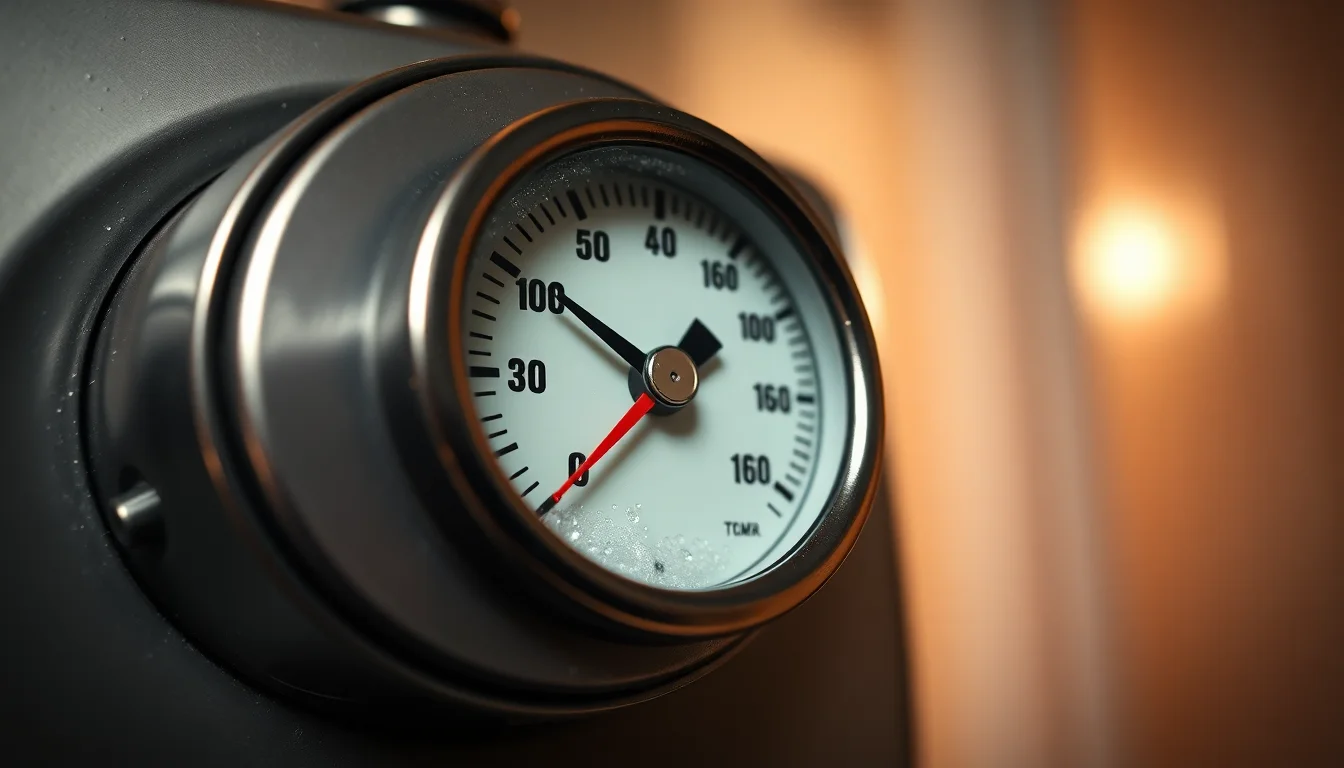
- First thing in the morning, with the heating off and the boiler fully cold, note the exact reading on the gauge.
- Run the heating for at least half an hour to an hour, then switch it off.
- Wait until the system is properly cold again — this can take another hour or two depending on the size of the property.
- Note the gauge again and compare it with your morning reading.
If the second cold reading is noticeably lower than the first — say, down from 1.3 bar to 1.0 bar or less — and the same pattern repeats over consecutive days, you have a measurable loss worth investigating rather than a one-off fluctuation. A single day where the reading is a touch lower isn’t necessarily cause for alarm on its own; gauges aren’t perfectly precise, and it’s the repeating pattern across several mornings that tells you something is genuinely wrong rather than normal variation.
When to get a professional pressure test
A steady day-on-day decline, a cold pressure that’s fallen below the range stated in your manual, or a gauge that never quite returns to the same baseline after a heating cycle are all reasons to call in a heating engineer. They’ll typically isolate sections of the circuit to measure loss under controlled conditions, check the expansion vessel’s charge via its Schrader valve, and trace visible pipework and radiator joints for weeping or corrosion — the same process covered in more depth in our guide to boiler losing pressure but no leak, which is worth reading if you’ve checked everything visible and still can’t find the cause. Thames Water manages the mains supply across Slough, but a leak inside your own sealed heating circuit is a separate matter for a plumber rather than the water company.
Catching this pattern early avoids unnecessary water loss, keeps the boiler running efficiently, and reduces the risk of damage to plaster or flooring nearby. If your gauge has been showing the drop-when-cold pattern described above, book a pressure check through our contact form and a Slough-based engineer can take it from there.
Frequently Asked Questions
Why does my boiler lose pressure when the heating is off? This is the pattern worth paying attention to. With the heating off and the system cold there’s no thermal expansion happening, so a genuine drop points to water leaving the system somewhere — a leak or a failed expansion vessel — rather than normal behaviour.
Is it normal for boiler pressure to rise when the heating is on? Yes. As the water heats it expands, and the expansion vessel absorbs that extra volume, so a small rise of a few tenths of a bar while the heating is running is expected. It should settle back to the cold reading once the system cools — if it stays high instead, that’s covered in our guide to boiler pressure that’s too high.
Should my boiler pressure stay exactly the same overnight? With the heating off and the system cold, yes — the gauge should read roughly the same first thing in the morning as it did the night before. A steady day-on-day decline is the sign to get it checked rather than something to wait out.