TL;DR
If your boiler’s pressure keeps falling but you can’t find a single wet joint, radiator or pipe, the water is almost certainly escaping somewhere you can’t see — inside the boiler’s own expansion vessel, through a weeping air vent, or via pipework hidden under a floor or behind a wall. A proper pressure test finds these concealed faults; checking a few basics yourself is fine, but tracking down a hidden leak is a job for a Gas Safe-registered engineer, so get in touch through our contact form to arrange a diagnosis.
Why “no visible leak” doesn’t mean no leak
This is a narrower question than the general one covered in our guide to why your boiler keeps losing pressure — here we’re focused specifically on the cases where a visual check finds nothing at all.
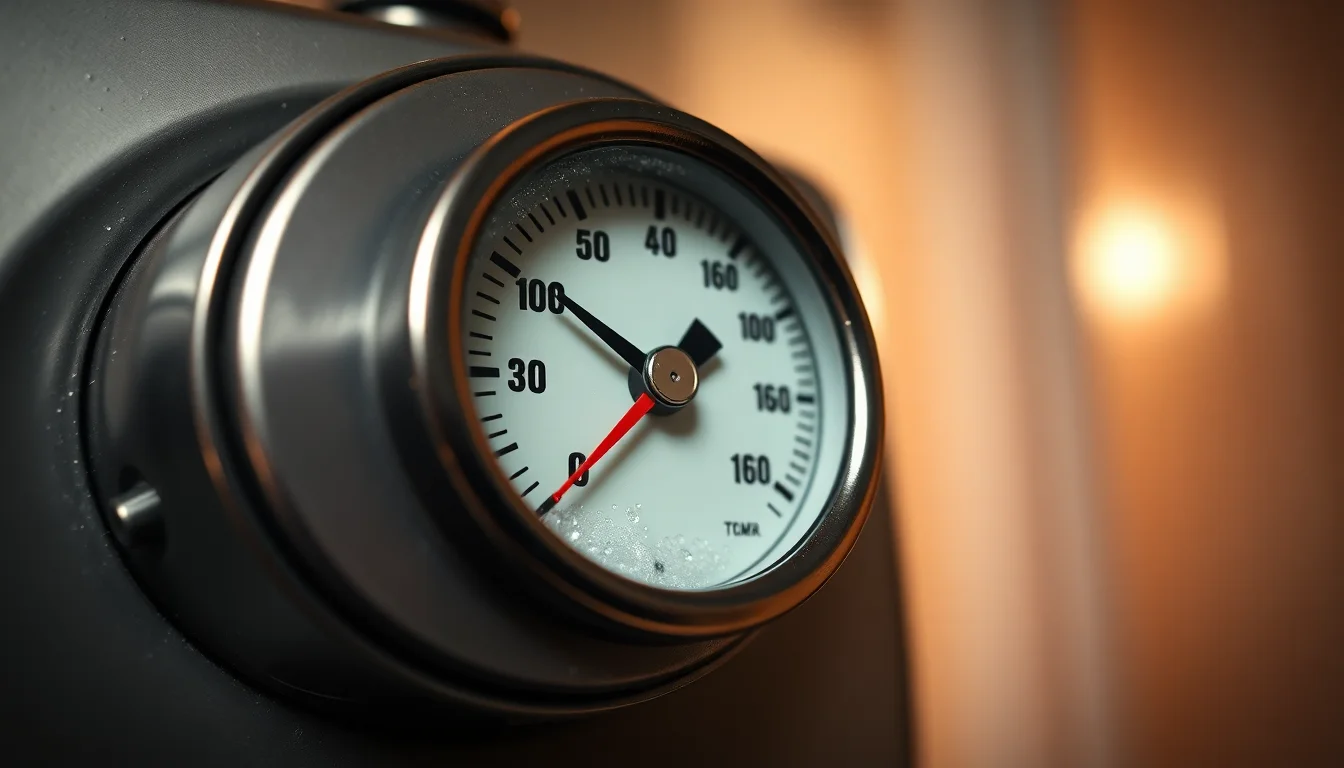
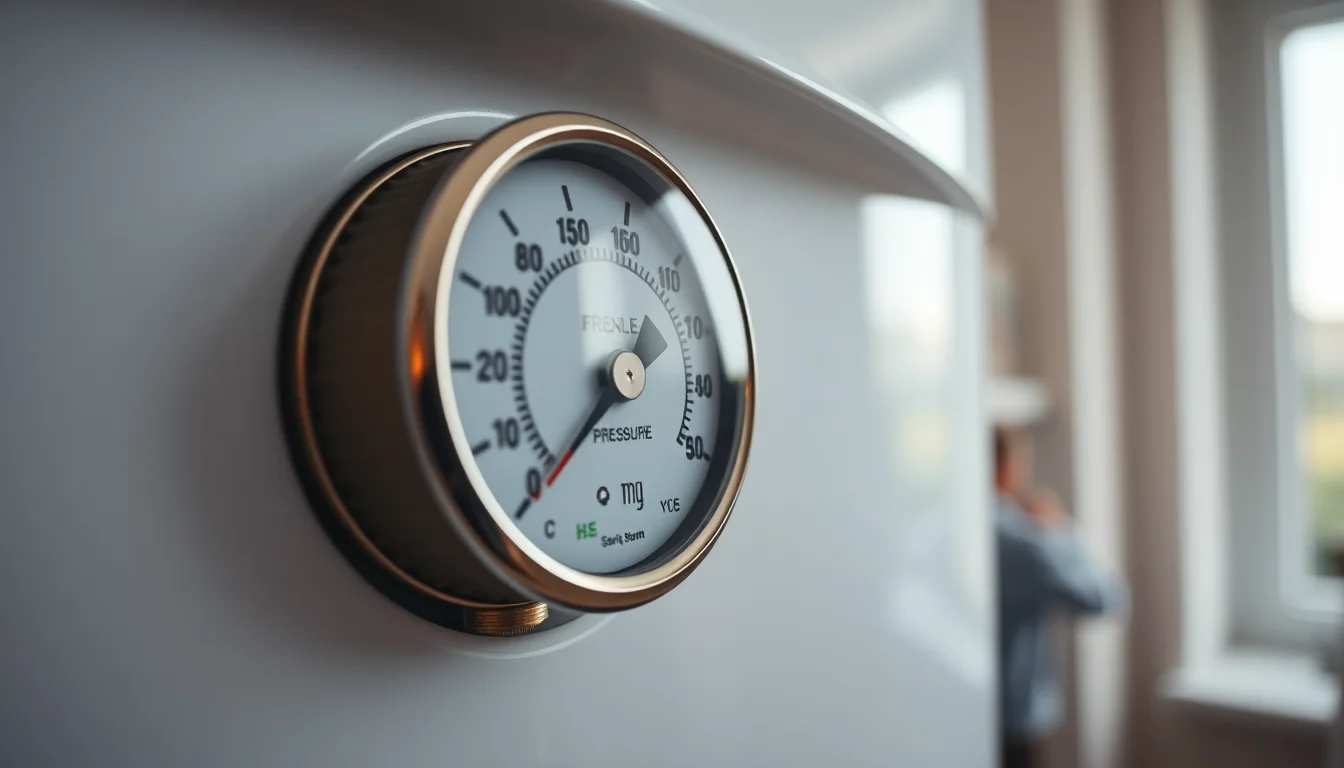
A boiler’s pressure gauge measures how much water is in the sealed heating circuit. When the needle drops, water is leaving the circuit somewhere — but that “somewhere” doesn’t have to be a dripping pipe you can see. Plenty of Slough homes, particularly the 1930s-60s estates around Chalvey, Cippenham, Langley, Wexham and Upton, have pipework buried under solid floors, run inside stud walls, or hidden within ceiling voids. A tiny seep in any of those spots can lose enough water to lower the pressure over hours or days without ever leaving a damp patch on a visible surface. The loss can also be entirely internal to the boiler — water escaping into the expansion vessel’s air side, for example. Because the circuit is pressurised, even an almost invisible leak keeps bleeding off pressure, and if you’ve been topping the system up via the filling loop each time it drops, the gauge can look deceptively stable right up until the next slide.
The three most common hidden culprits
1. A failed or waterlogged expansion vessel. The expansion vessel absorbs the extra volume of water as it heats, using a rubber bladder pressurised with air. If that bladder ruptures or the air charge leaks away, water floods the air side instead, and the vessel can no longer do its job. You might notice the pressure spike sharply when the boiler fires and then fall again as the excess is expelled, or hear a faint gurgle from the vessel itself.
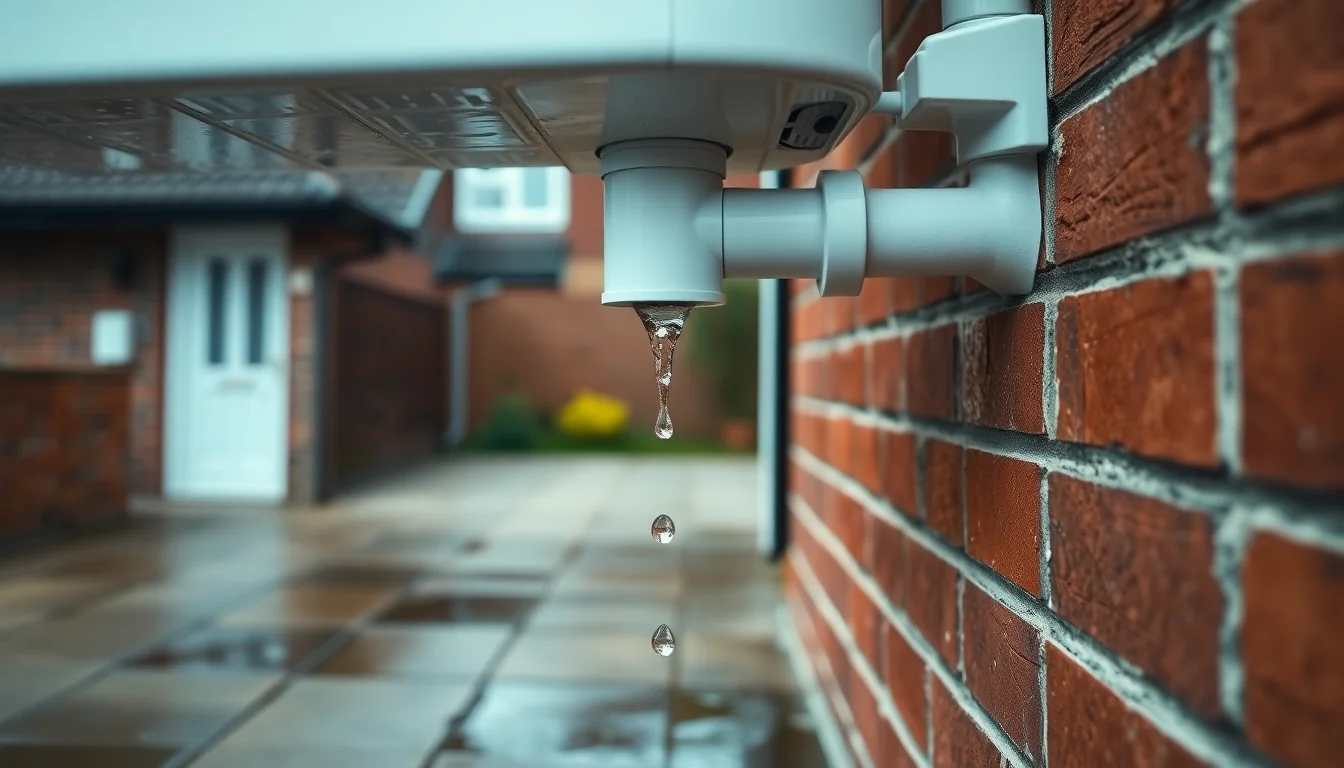
2. A weeping automatic air vent. These small spring-loaded valves sit at high points in the circuit to release trapped air. Once the valve seat wears or debris gets in the way, a slow trickle of water escapes each time it opens. Tucked away in a loft, above the boiler, or inside a cupboard, that water often evaporates before it ever pools — so there’s a faint hiss or occasional drip to listen for, but nothing to see.
3. Hidden or under-floor pipework losing water slowly. In houses with solid concrete floors or timber joists, heating pipes embedded in screed or run under floorboards can develop a pinhole, a poorly soldered joint, or a hairline crack that leaks only a few millilitres an hour. The water gets absorbed by the surrounding material or evaporates long before it’s noticeable, so the only symptom is the gauge creeping down.
What a pressure test finds that a visual check can’t
A walk-round inspection only ever catches leaks that produce visible moisture. To locate a concealed fault, an engineer runs a pressure or isolation test: the system is drained, then pressurised slightly above its normal operating level while sections of the circuit — individual radiators, risers, or an under-floor loop — are isolated one at a time using their valves. The gauge is then watched for a drop over a set period, typically ten to thirty minutes. A steady decline in one isolated section points straight at the fault; a drop that shows up no matter which section is isolated usually means the expansion vessel itself is the problem, not a leak in the pipework. This is the only reliable way to distinguish between the two, and it’s also how an engineer confirms the repair afterwards holds.
Checks you can do yourself before booking anyone
A handful of basic checks don’t require opening the pressurised circuit at all:
- Check the filling loop is fully closed. A loop left slightly open constantly tops the system up, which masks a leak by keeping the gauge artificially steady.
- Listen near the automatic air vent while the boiler is running. A steady hiss or occasional drip suggests a weeping vent.
- Press the Schrader valve on the expansion vessel (the small valve on top, similar to a car tyre valve). If water comes out instead of air, the bladder has failed.
- Look over any accessible pipework and radiator valves for rust, white mineral deposits, or damp staining.
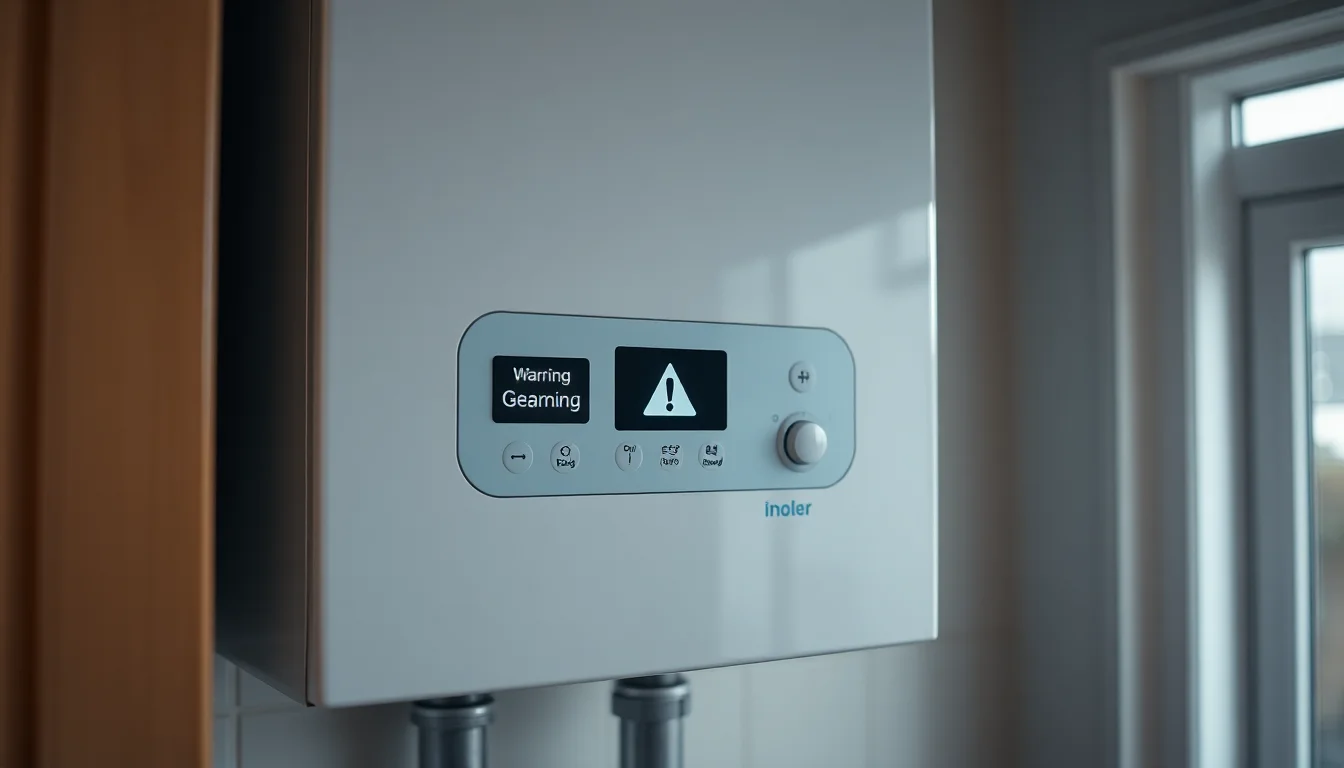
If any of these turn something up, that still isn’t a DIY repair — a failed expansion vessel or a weeping vent needs replacing by a Gas Safe-registered engineer, and repeatedly re-pressurising a system with a known fault can push it into over-pressure. If everything checks out clean and the gauge is still falling, the fault is hidden in the boiler internals or the buried pipework, and a professional pressure test is the only way forward. Once the fault is found, the fix itself is usually the same filling-loop procedure covered in our guide to how to fix low boiler pressure — the difference is that a professional first needs to find and repair whatever is causing the loss. To arrange a pressure diagnosis, use our online contact form — we cover Slough properties from Chalvey to Upton and out to Iver, Burnham and Windsor.
Frequently Asked Questions
Can a boiler lose pressure without a leak? Yes. Water can be escaping somewhere you can’t see — inside the boiler itself via a failed expansion vessel, through a weeping air vent, or along pipework buried under a floor — long before any dampness reaches a visible surface.
My combi boiler keeps losing pressure but there’s no leak I can find — is this a particular brand’s problem? No. This happens across every major boiler brand, including Worcester Bosch, Ideal and Baxi. The cause sits in the expansion vessel, an air vent, or hidden pipework, not in which brand made the boiler.
How do I test if the expansion vessel is at fault? With the boiler off, press the Schrader valve on top of the expansion vessel. If water comes out instead of air, the internal bladder has failed and the vessel needs replacing — that’s not a DIY repair.
What happens if I keep topping up a boiler that’s losing pressure but I can’t find the leak? The boiler will keep dropping pressure until it locks out on a low-pressure fault, cutting off your heating and hot water. Left long enough, an unfound leak can also cause corrosion that’s more expensive to put right than an early diagnosis. For a proper look, our Slough plumber team works from the same contact form linked throughout this guide.