TL;DR
If your boiler pressure keeps creeping above its normal range, the usual culprits are an over-filled system, a filling-loop valve that isn’t shut tight, or a fault with the expansion vessel or pressure relief valve. Bleeding a radiator can bring it down a little, but if the pressure climbs straight back up or you spot a leak, it’s time for a qualified heating engineer — get in touch through our contact form.
What actually counts as “too high”
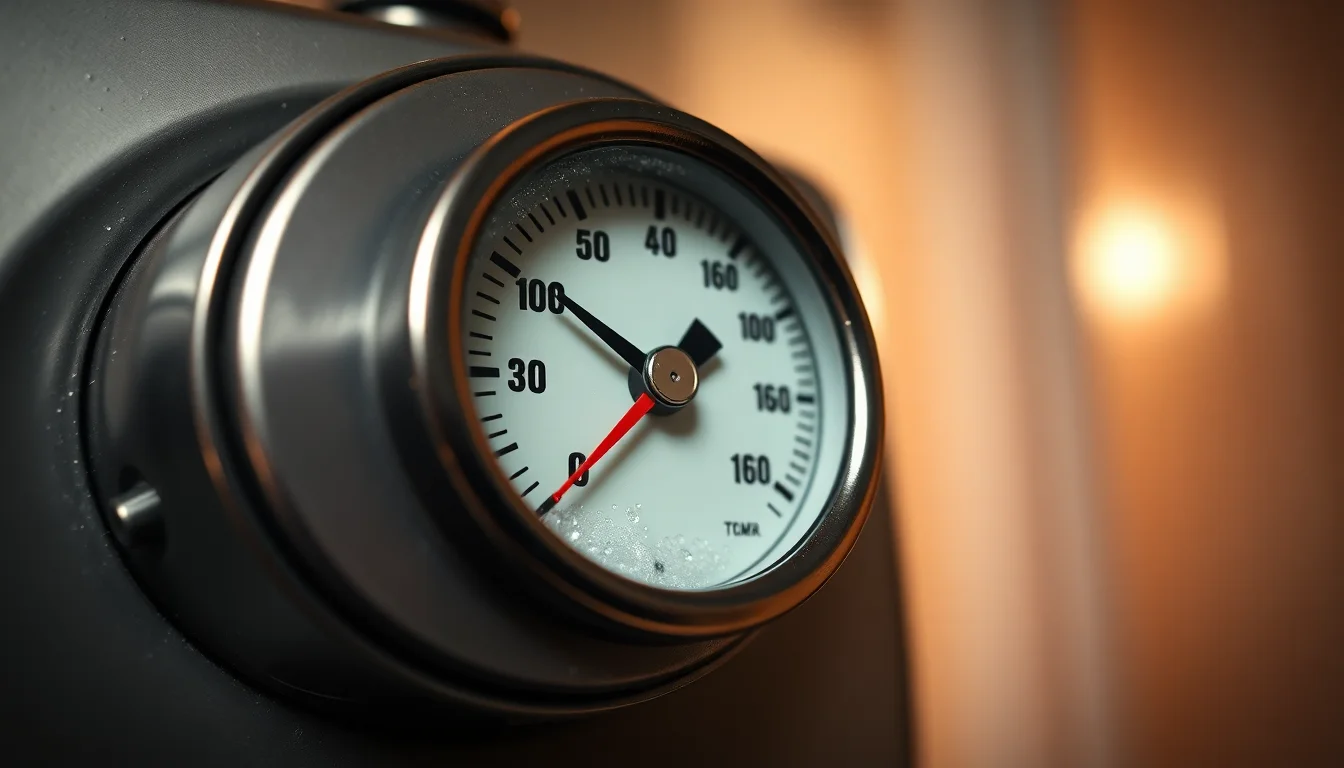
Most combi boilers found in Slough homes are designed to run at roughly 1.0-1.5 bar when the system is cold, and the pressure relief valve is typically set to start discharging somewhere around 3 bar as a safety limit. These figures vary between manufacturers, so the safest approach is always to check the label or manual on your own boiler rather than take one number as universal. As a rule of thumb, if the gauge sits noticeably above your cold-fill range — creeping towards 2.5 bar or beyond — and stays there once the system has fully cooled, you’re dealing with excess pressure worth sorting out. It’s the mirror image of the pressure-loss problems covered in our guide to why your boiler keeps losing pressure — many of the same components are involved either way.
What usually causes it
Over-filling via the filling loop. If you leave the loop open after topping up, or add water a little too enthusiastically, the pressure simply keeps climbing past where it should sit.
A filling-loop valve that isn’t fully closed, or is slightly weeping. Even a small leak past the valve seal lets a slow trickle into the circuit, nudging the pressure upward over hours or days without you noticing it happen.
A faulty expansion vessel. The vessel is meant to absorb the extra volume of water as it heats. If the internal bladder has lost its charge or the vessel has ruptured, it can no longer take up that expansion, so pressure spikes instead.
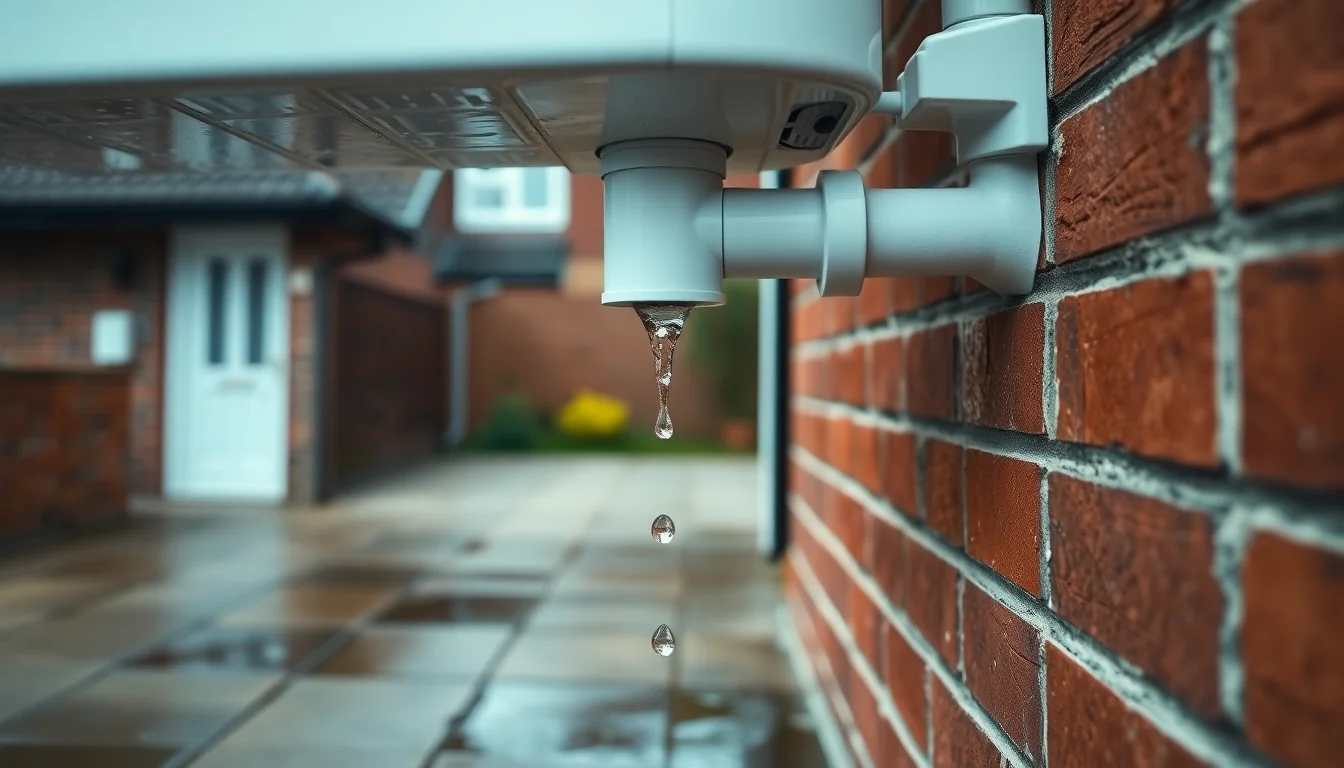
A defective pressure relief valve. A valve stuck partially open, or with a worn seat, can vent water continuously — which paradoxically can also lead to over-filling as someone tops the system back up to compensate.
In older Slough properties, particularly the 1930s-60s estates around Chalvey, Cippenham, Langley, Wexham and Upton, original pipework and fittings have had longer to wear, which makes filling-loop seals more prone to this kind of slow weep. Thames Water manages the mains supply locally, but what happens inside your sealed heating circuit is a separate matter from mains pressure.
Bleeding a radiator to bring pressure down
- Turn off the heating and let the boiler cool — working on a hot system risks scalding.
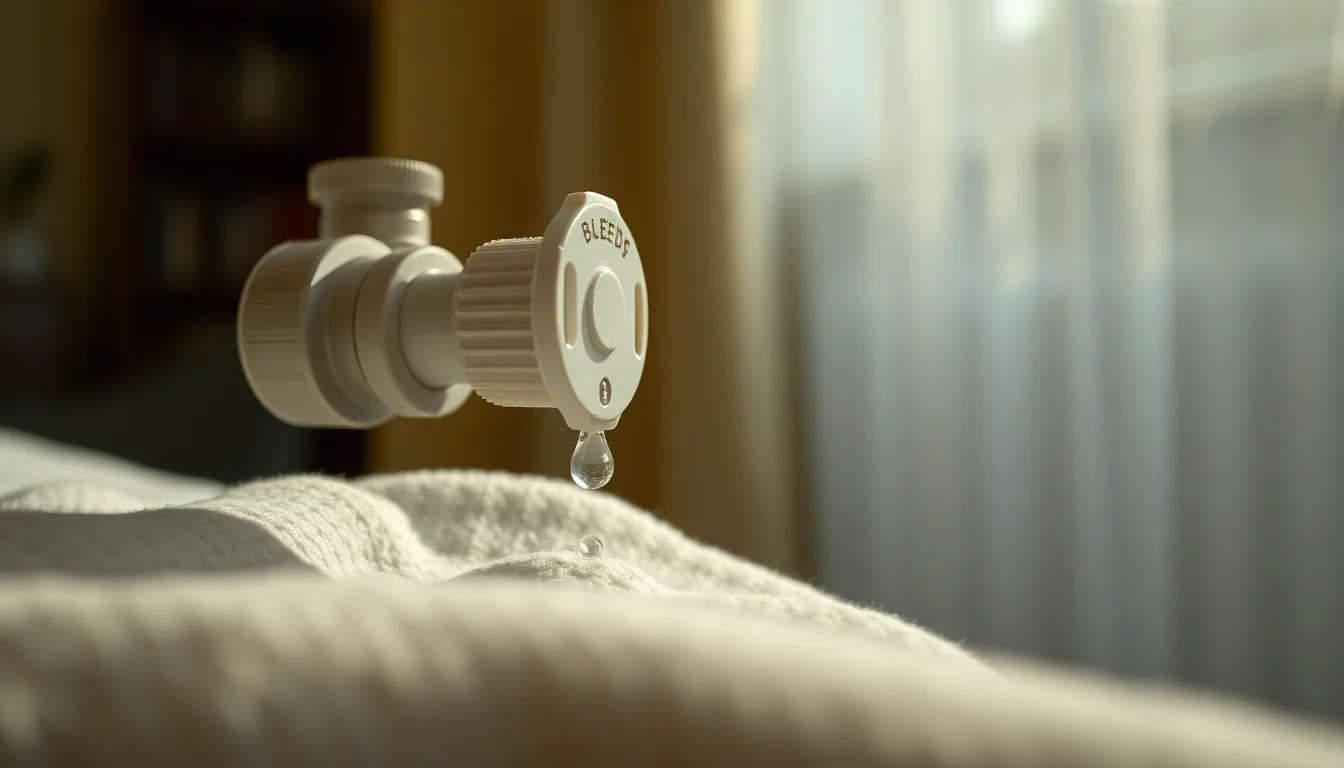
- Find the bleed valve on the radiator, usually a small square-nipple fitting at the top.
- Hold a cloth or small container underneath to catch any water.
- Insert a radiator key (or flat-head screwdriver on some valves) and turn slowly anticlockwise. You’ll hear a hiss as trapped air escapes.
- Close the valve as soon as water starts dripping steadily — a snug turn clockwise is enough, don’t over-tighten.
- Check the pressure gauge. If it’s back in your boiler’s recommended cold-fill range, you’re done.
- Only bleed further radiators if needed — releasing air from too many at once can introduce noise into the pump or leave cold spots.
Never bleed a radiator while the boiler is firing, and never force a stuck bleed screw.
When bleeding a radiator isn’t enough
DIY bleeding fixes a temporary rise caused by trapped air, but it won’t touch the underlying causes above. Book a qualified heating engineer if:
- Pressure returns to a high level shortly after bleeding or topping up
- You can see water dripping from the filling-loop valve, the pressure relief valve, or any joint even when the boiler is off
- The relief valve is discharging continuously — a stream or puddle near the discharge point
- The expansion vessel feels solid or waterlogged when you press its Schrader valve
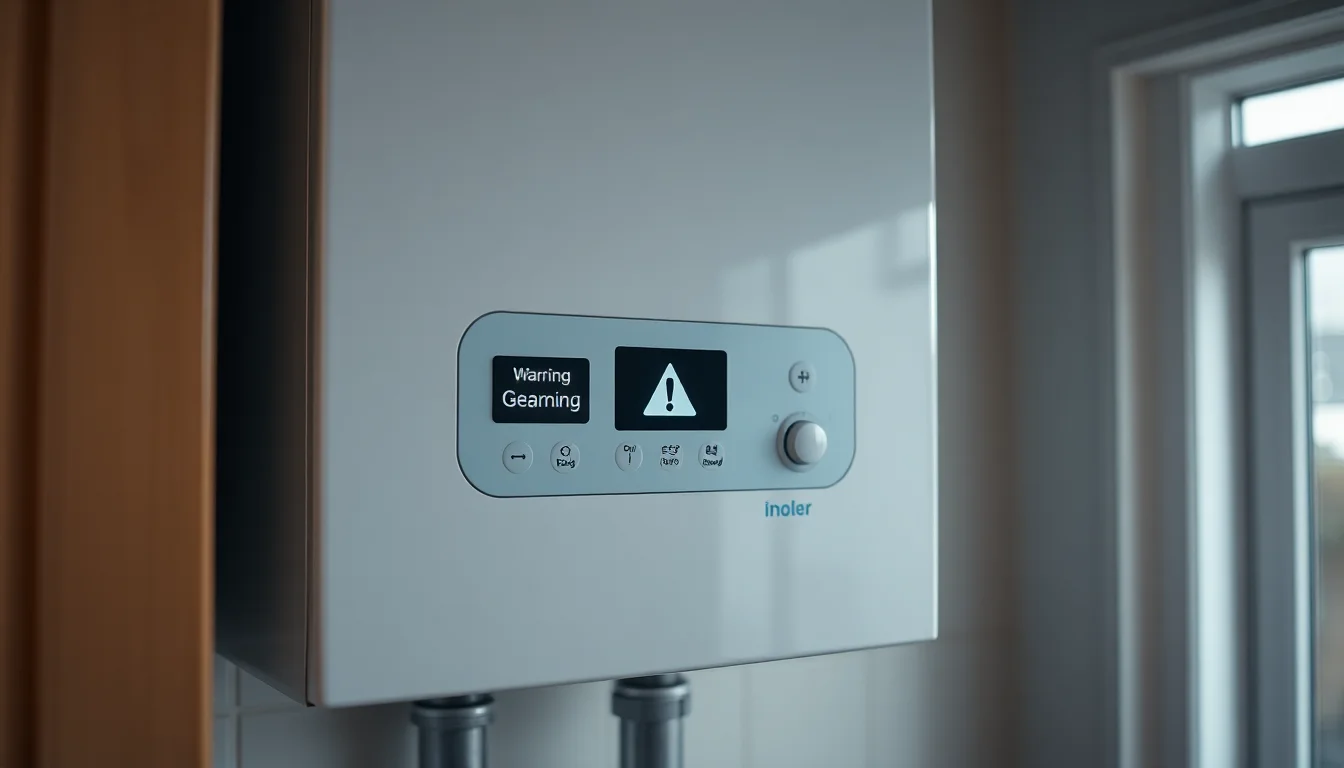
- You smell gas, hear unusual noises, or the boiler shows an error related to pressure
A competent engineer will check the filling-loop seals, test the expansion vessel’s charge, verify the relief valve’s set point, and confirm everything is balanced correctly. In older Slough estates this sometimes turns up ageing pipework that’s worth replacing rather than repeatedly patching.
To book a boiler engineer visit, use our online contact form rather than guessing at the cost yourself — a reputable engineer will assess your specific system on-site and explain what’s driving the price before any work starts. Our plumber in Slough team covers the whole town and the surrounding areas. If the opposite problem sounds more familiar — pressure that keeps falling rather than rising — our guide to fixing low boiler pressure covers that instead.
Frequently Asked Questions
What should I do if my boiler pressure is too high? Try bleeding a radiator first, following the steps above, to release a little water and air from the system. If the pressure climbs straight back up afterwards, the cause is elsewhere — most often an over-filled system or a weeping filling-loop valve — and needs a professional look.
Why does my boiler pressure rise when the heating is on? A small rise while the heating is actively running is normal — water expands as it heats and the expansion vessel takes up the extra volume. It’s only a concern if the pressure stays high once the system has fully cooled back down.
How do I reduce pressure on my boiler? Bleeding a radiator is the standard way to bring pressure down a little at home. If you’ve recently used the filling loop, also check both valves are fully closed — a valve left slightly open is a common reason pressure keeps creeping up.
Does it matter whether I have a Vaillant, Worcester or Baxi boiler? The causes and the radiator-bleed fix are broadly the same across brands. What differs is exactly where the filling loop and gauge sit, and the specific cold-fill figure — always check your own boiler’s manual or data plate for that detail rather than assuming.