TL;DR
If your boiler is showing a low-pressure fault code or symbol, the first safe step is almost always the same regardless of brand: re-pressurise the system via the filling loop. If the fault comes straight back after you’ve topped up, that points to a leak or a component fault rather than a simple top-up job, and it’s time to bring in a Gas Safe-registered engineer. For a proper diagnosis and repair on a Worcester, Vaillant, Ideal or Baxi boiler, get in touch through our contact form.
Worcester Bosch boilers
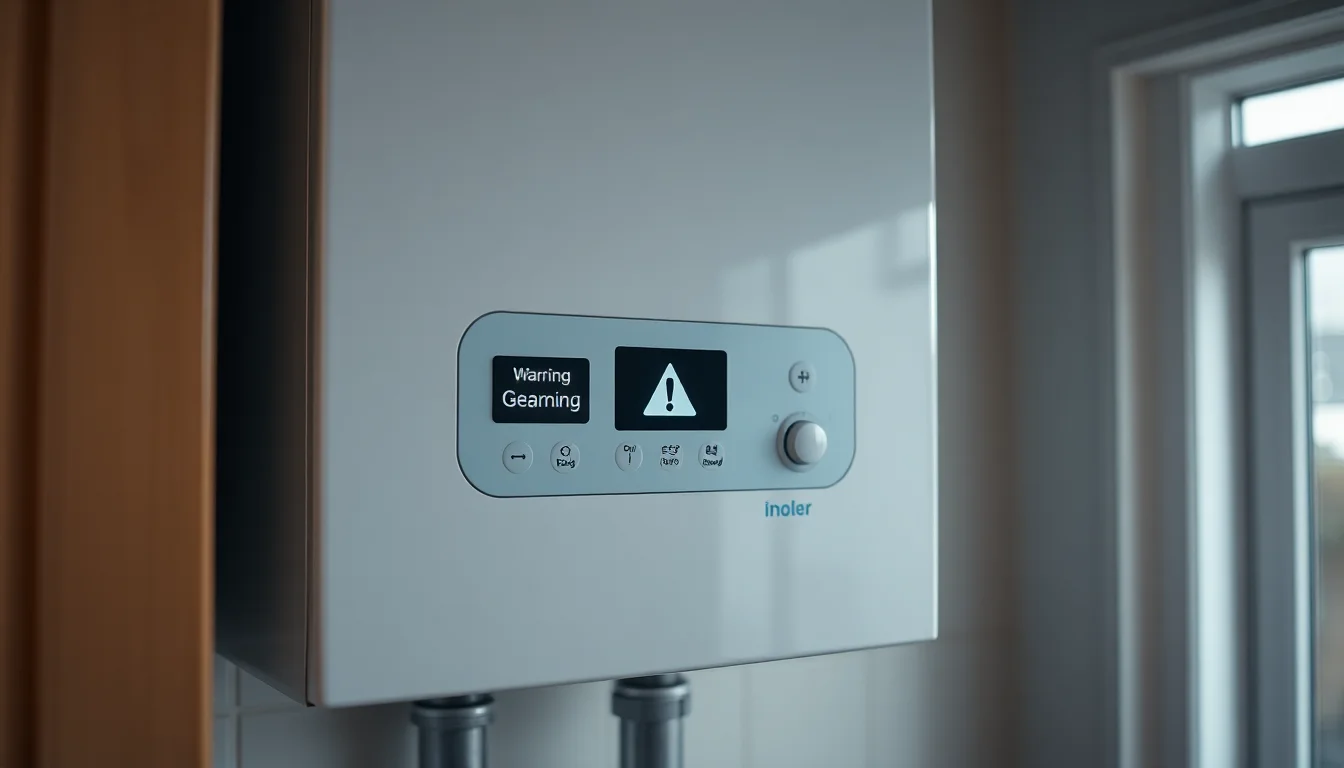
Worcester Bosch boilers typically signal low pressure with a flashing water-drop symbol or a fault message referring to water pressure, though the exact display differs between the Greenstar i, Si and CDi ranges. Rather than guess at a specific code here, check the user guide or the sticker inside the front cover of your own unit — that’s the only reliable source for what your particular model is telling you.
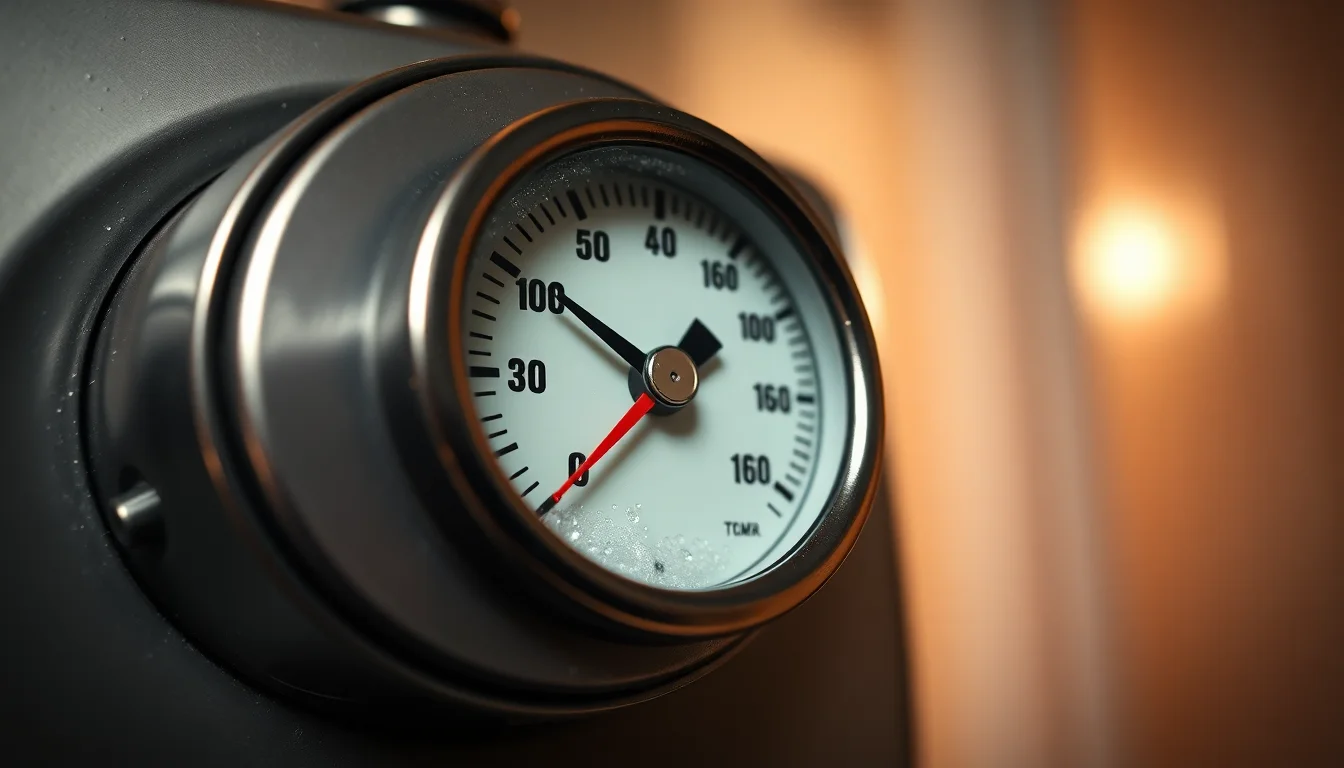
The first thing to try yourself is re-pressurising via the filling loop: locate the flexible hose with two valves, usually beneath the boiler, close both, then slowly open the mains-side valve while watching the gauge. Bring it up to the level stated in your manual, then close both valves again.
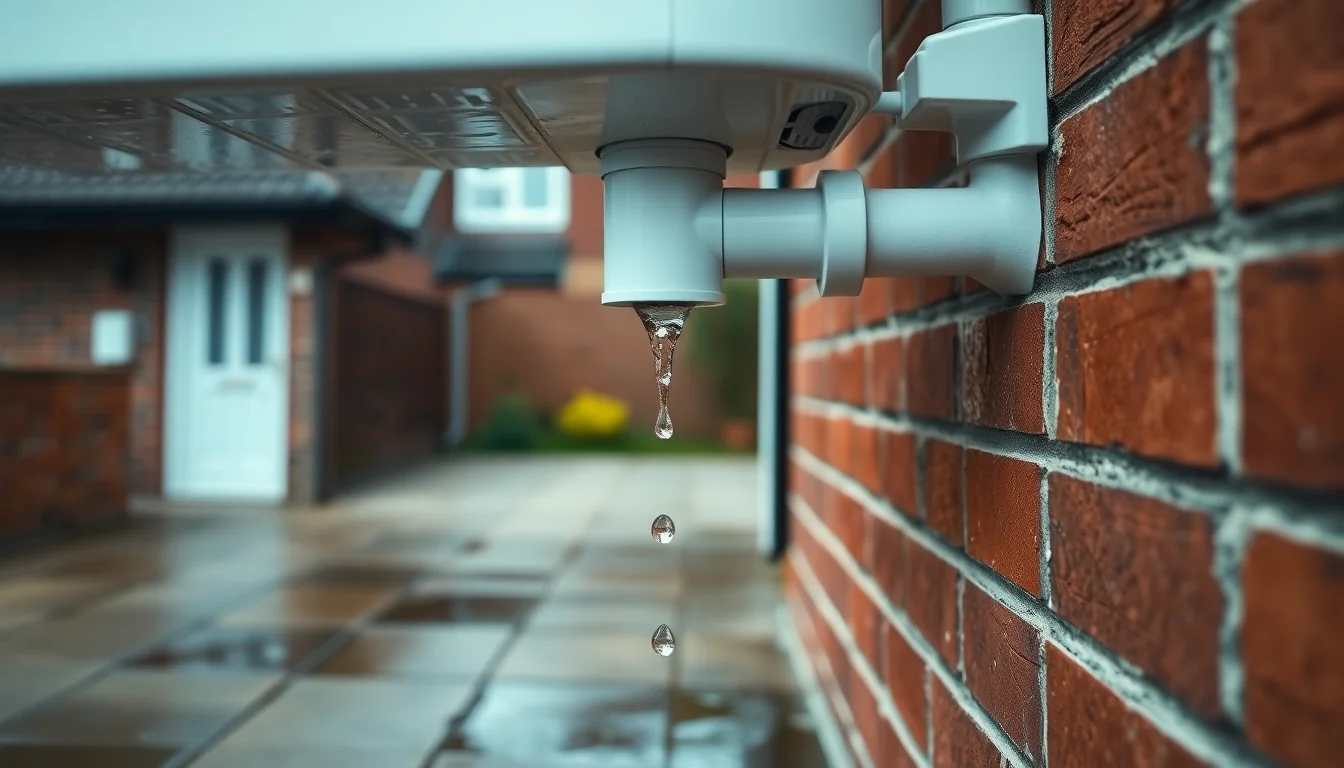
If the low-pressure warning reappears shortly afterwards, water is escaping elsewhere in the system — a leaking radiator valve, a fault in the heat exchanger, or a faulty relief valve are the usual suspects. At that point it’s no longer a top-up job, and a Gas Safe-registered engineer should take a look. Our Slough plumber team covers Chalvey, Cippenham, Langley, Wexham and Upton, plus the nearby towns of Iver, Burnham and Windsor.
Vaillant boilers
Vaillant ecoTEC and ecoFIT models usually display low pressure as a flashing icon or a fault code specific to that range — the display and the exact code vary between models, so check your manual or the sticker inside the front cover rather than relying on a number you’ve seen elsewhere.
To try the fix yourself, switch the boiler off, then open the filling-loop valve on the mains side very slowly while watching the pressure gauge on the front panel. Bring the pressure up to the range specified in your manual, then close both valves.
If the alert returns after re-pressurising, that’s a strong sign water is leaving the circuit somewhere. In Slough’s older housing stock, deteriorated pipe joints in 1930s-60s estates, a failing expansion vessel, or a leak at the internal relief valve are the common culprits. These need specialist tools to diagnose properly, so book a qualified engineer rather than repeating the top-up.
Ideal boilers
Ideal Logic, Logic+ and Isar models commonly show a low-pressure fault as a warning light or an on-screen message — again, the exact wording and any accompanying code depend on the specific model, so check your manual or the inside-cover sticker for what it means on your unit.
The first safe step is the same filling-loop procedure: with the boiler off, locate the loop (typically a braided hose with two isolator valves), gradually open the mains-side valve while watching the gauge, then close both valves once you’ve reached the recommended pressure.
If the fault persists after topping up, water is leaving the system somewhere else — in post-war Slough properties this can be corroded radiator valves, a leaking pump seal, or a fault in the internal pressure sensor. These need a Gas Safe-registered technician rather than a repeat DIY attempt. Our coverage includes Langley, Wexham, Upton and the surrounding towns of Windsor and Burnham.
Baxi boilers
Baxi EcoBlue, Duo-tec and Platinum models typically indicate low pressure with a flashing warning symbol or an on-screen message — the precise code depends on the model, so verify against your own manual or the label inside the front panel rather than assuming.
To clear it, re-pressurise via the filling loop: identify the hose with two valves underneath the boiler, close both, then slowly open the mains-side valve while monitoring the gauge. Bring the reading up to the range your manual specifies, then shut both valves.
If the warning returns shortly after, that signals an ongoing loss of water. In Slough’s mixed housing stock — 1930s-60s estates alongside newer trading-estate commercial units — this is often a leaking relief valve, a deteriorated expansion vessel, or a crack in the heat exchanger. These need professional attention; repeated DIY top-ups on a genuine fault can make things worse rather than better.
When it’s more than a top-up job
Across all four brands, the pattern is the same: a one-off low-pressure warning after a cold snap or a bit of trapped air is usually solved by the filling loop. A warning that keeps coming back is a different problem entirely, and no amount of re-pressurising will fix it — our guide to how to fix low boiler pressure covers the safe top-up procedure and the stop-signs in more detail, and our wider piece on why your boiler keeps losing pressure covers the recurring causes if this isn’t the first time it’s happened.
To arrange a diagnosis and repair, book a boiler engineer visit through our online contact form — we’ll assess your specific boiler and system on-site rather than guessing at a fix over the phone.
Frequently Asked Questions
How do I increase water pressure on a Worcester boiler? Use the filling loop under or beside the boiler: with the unit off, open both valves slowly until the gauge reaches the pressure stated in the manual or on the sticker inside the front cover, then close them again.
My Worcester boiler won’t repressurise — what does that mean? If the gauge won’t rise at all when you open the filling loop, or falls straight back down, that points to a fault beyond a simple top-up — often a stuck valve, a leak, or an internal component fault — and needs a Gas Safe-registered engineer rather than repeated attempts.
Why does my boiler keep losing pressure after I’ve topped it up? Repeated pressure loss after refilling nearly always means water is still escaping somewhere in the system. Topping the pressure back up treats the symptom, not the cause — the leak or faulty component still needs finding and fixing.
Do fault codes mean the same thing on every brand? No. Each manufacturer uses its own symbols and codes for a low-pressure fault, and even different model ranges from the same brand can vary. Always check your specific boiler’s manual or the sticker inside the front cover rather than assuming a code from one brand applies to another.