TL;DR
Low boiler pressure is usually fixed by opening the filling loop and topping up water until the gauge reads roughly the cold pressure stated on your boiler’s own data plate — commonly somewhere around 1.0-1.5 bar, though you should always check your specific model. Follow the step-by-step guide below, stick to the safety points, and know when to stop and call in a professional rather than repeating the fix. Get in touch through our contact form if you’d rather have it done for you. If this isn’t the first time it’s happened, our wider guide to why your boiler keeps losing pressure covers the recurring causes.
Step-by-step: using the filling loop to re-pressurise a combi boiler
- Turn the boiler off and let it cool. Switch it to standby or off at the mains and wait until the radiators feel cool to the touch. Working on a hot system risks scalding and gives an inaccurate reading anyway.
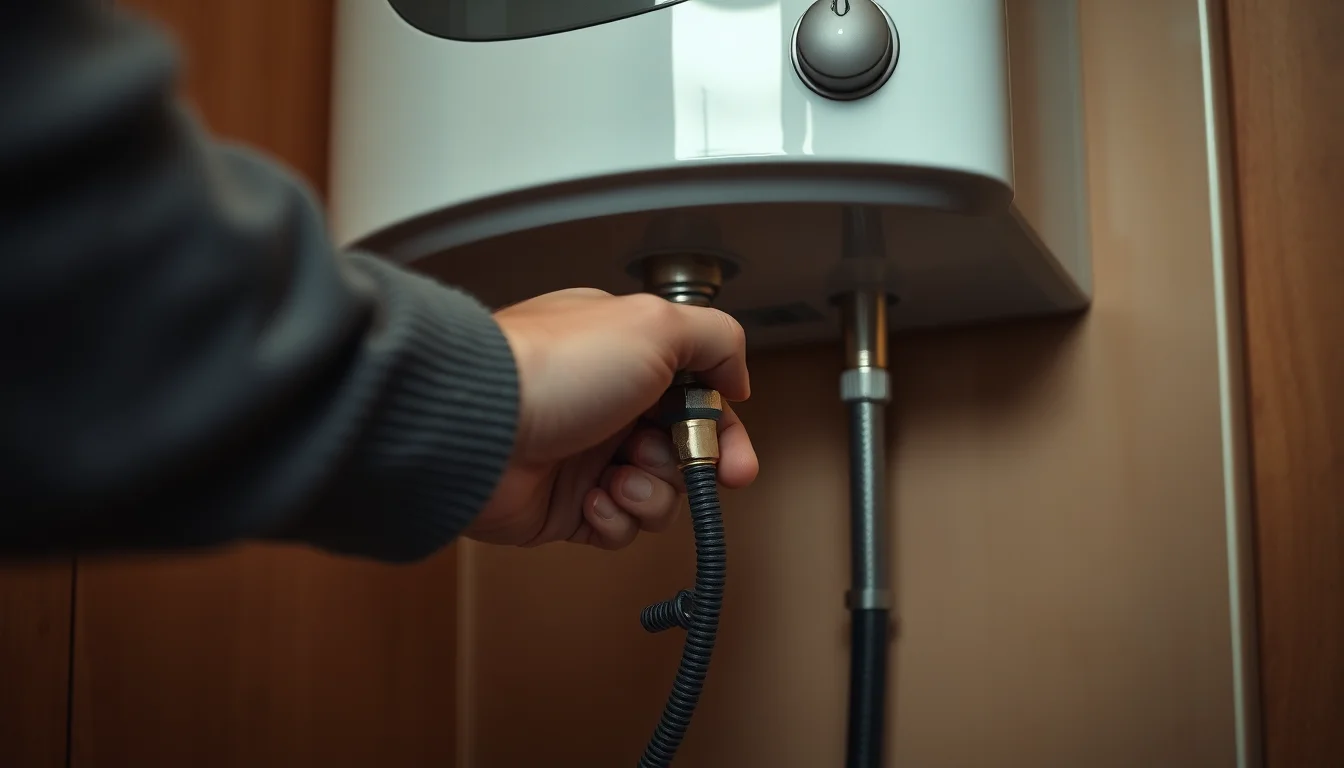
- Find the filling loop. Most combi boilers have a flexible braided hose with a valve at each end, usually underneath the boiler or on the pipework running to the mains cold-water supply. In older Slough terraces around Chalvey and Cippenham it’s often tucked behind the boiler casing; in newer units it tends to be more exposed.
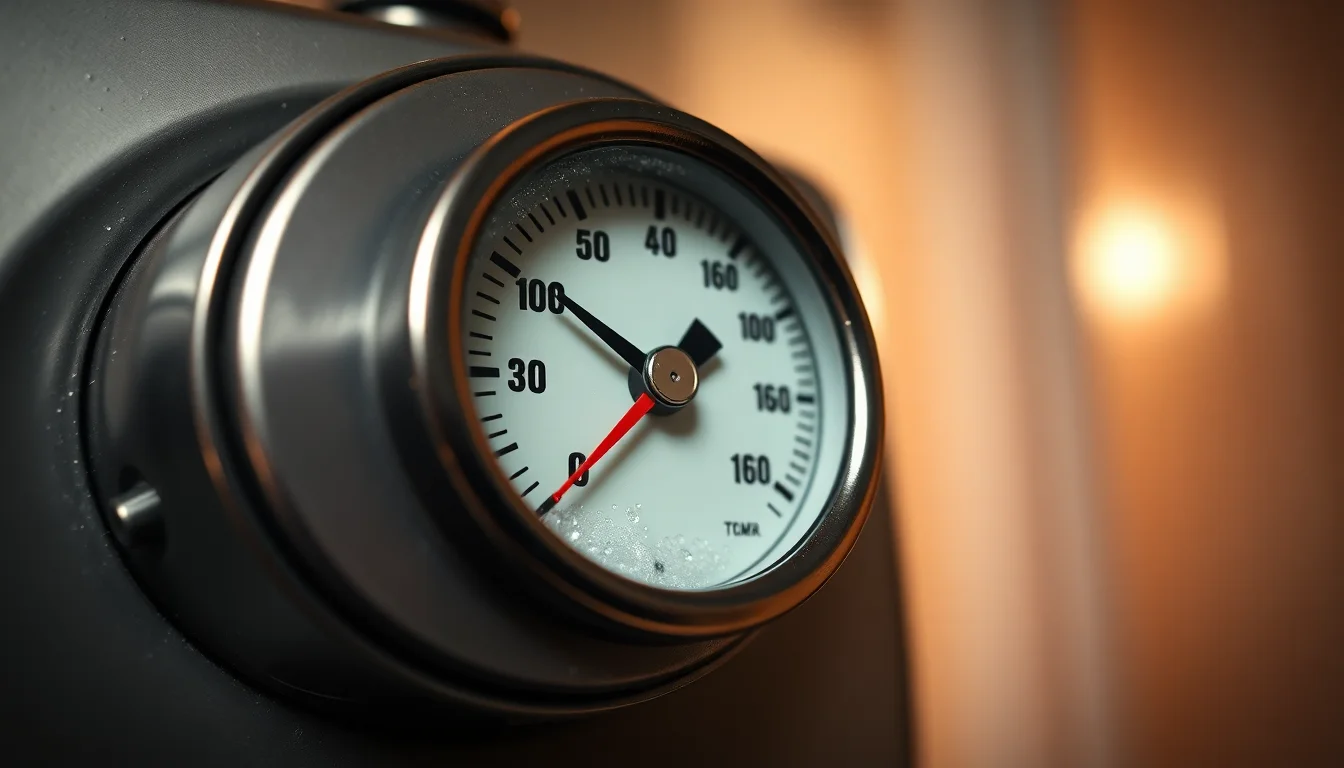
- Note the current pressure. The gauge is normally on the front of the boiler, marked in bar — a low reading is often below 0.5 bar.
- Open both valves slowly, a quarter turn at a time. You should hear a gentle hiss as water enters. Don’t open them fully at once — that can cause a pressure surge.
- Watch the gauge as it rises. Aim for the cold-system pressure stated in your manual or on the boiler’s data plate; treat any figure you’ve read online, including this one, as a guideline rather than gospel for your specific unit.
- Close both valves once you’ve reached the target, snug but not over-tightened.
- Remove the loop if it’s detachable, or simply leave a permanent loop’s valves closed.
- Turn the boiler back on and check the pressure holds once it’s run for a few minutes. If it drops straight back down, go to the stop-signs below rather than repeating the top-up.
Safety points while you’re doing this
- Never touch the loop while the boiler is hot or firing. Water in the system can be under pressure and hot enough to scald.
- Add water slowly. A fast fill can shock the system, disturb seals, or introduce an air lock.
- Treat the target pressure as approximate. The commonly quoted 1.0-1.5 bar cold figure suits many combi boilers, but some manufacturers specify differently — check your own manual or the sticker on the unit rather than a number from a website.
- Never force a stuck valve. If it feels seized, stop and get a professional to look at it rather than risk stripping the thread.
- Check for drips once you’ve closed the valves. A weeping filling loop can undo the top-up within hours and usually means a worn washer.
Clear stop-signs: when to stop and call a professional
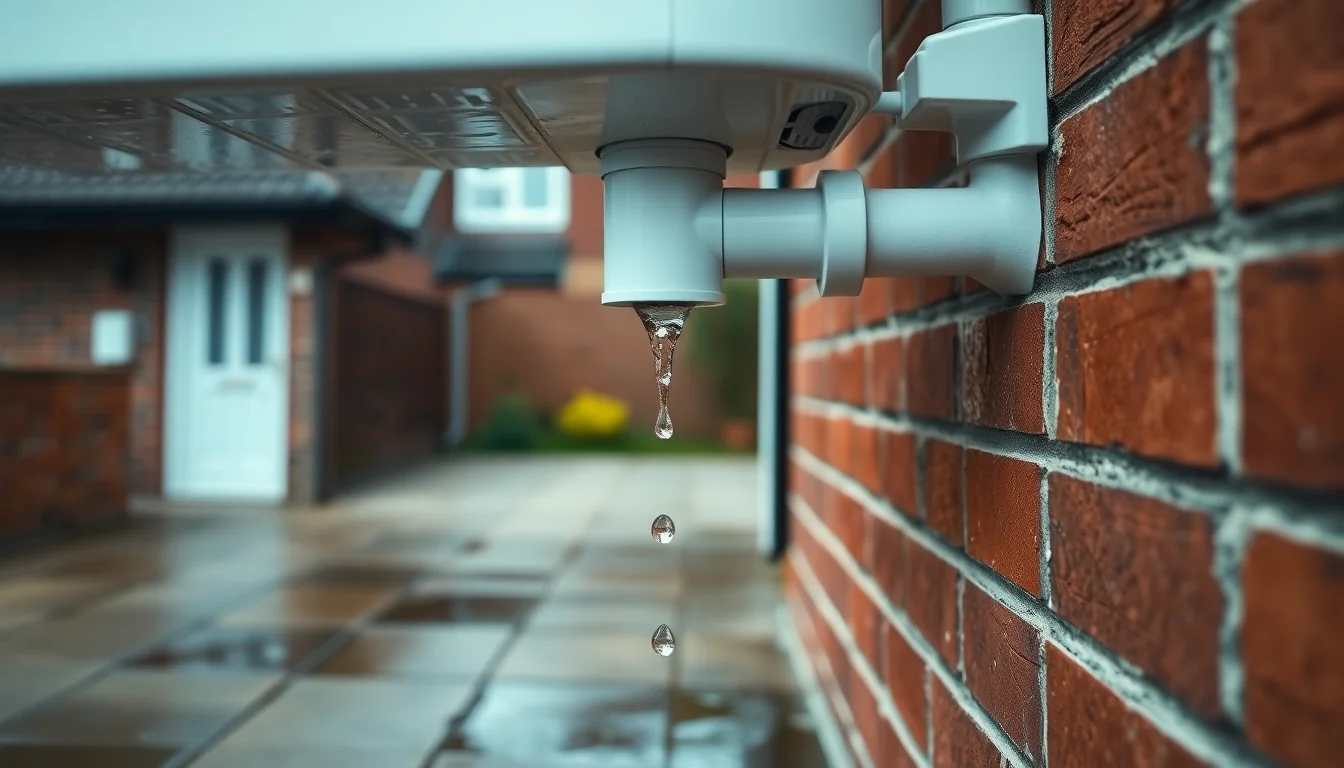
- The pressure drops again within a few days. Repeated top-ups without the pressure holding almost always means there’s a leak somewhere in the system, the expansion vessel, or the boiler itself — see our guide on boiler losing pressure but no leak if you can’t find anything visibly wrong.
- There’s no accessible filling loop, or it’s hidden behind panels that need proper removal.
- You see corrosion or scale around the valves, loop, or boiler connections.
- The gauge won’t hold at all, falling straight back to zero after you close the valves.
- Anything unusual — gurgling, banging, or a smell of gas — while you’re working on it. Stop immediately and contact a Gas Safe-registered engineer.
Ignoring these signs tends to make the eventual fix more expensive, not less.
What happens if low pressure is left unresolved
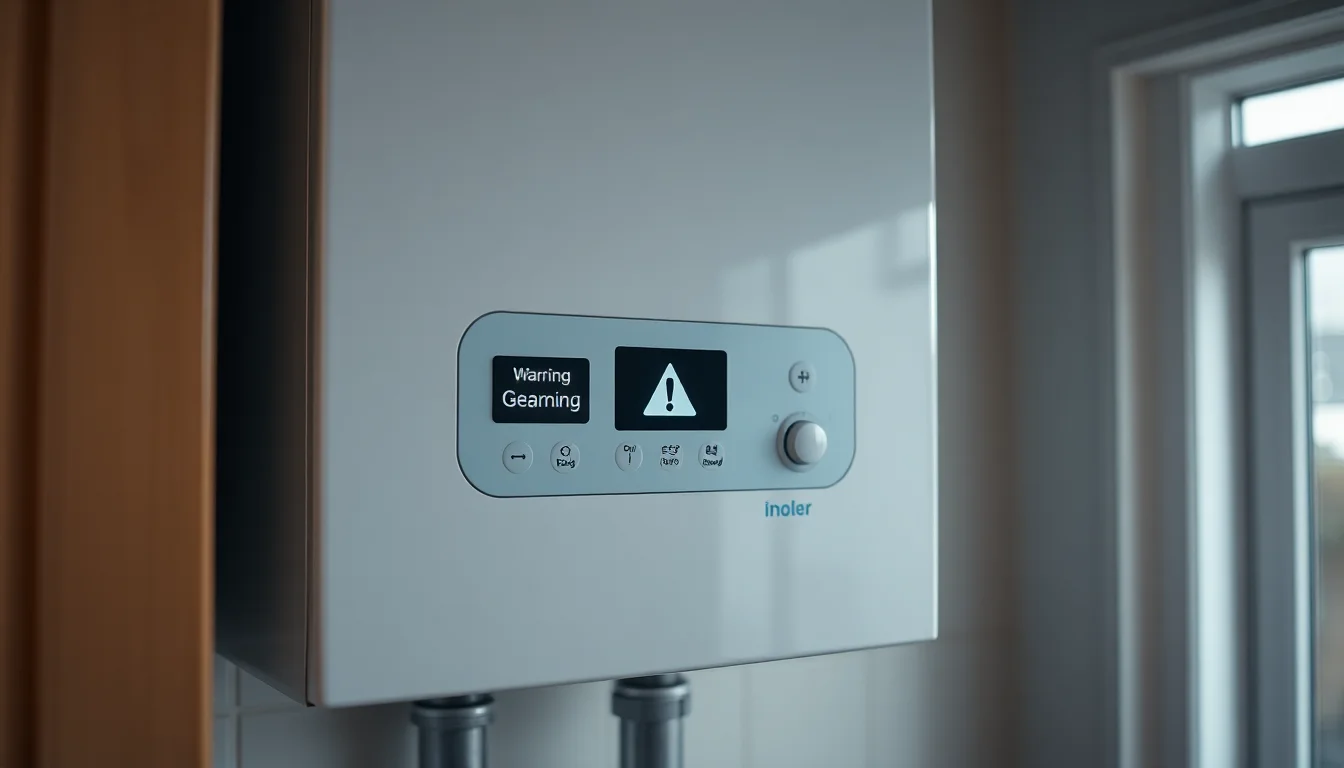
A boiler that keeps running low on pressure will eventually lock out — most modern combi units have a pressure sensor that trips a fault code and shuts the burner down to protect the heat exchanger. That means no heating and no hot water until the fault clears and the system is correctly re-pressurised. Along the way you might notice radiators that never quite get warm, taps running lukewarm, or the boiler cycling on and off more than usual. None of that improves with time; the pump and heat exchanger just wear faster while the underlying cause goes unaddressed.
Keeping pressure stable over the longer term
- Glance at the gauge monthly. Catching a slow decline early is far cheaper than dealing with a lockout.
- Bleed radiators once a year to clear trapped air, which can otherwise cause pressure to fluctuate unpredictably.
- Have the expansion vessel’s charge checked during an annual service — a flat vessel makes pressure swing more than it should between heating cycles.
- Get an annual service from a Gas Safe-registered engineer, which typically includes a pressure and safety check as standard.
For anything beyond the basic top-up described here, or if you’d simply rather get a plumber to re-pressurise it properly the first time, our contact form is the way to reach us — we cover Slough and the surrounding towns of Iver, Burnham, Windsor, Datchet and Beaconsfield.
Frequently Asked Questions
What pressure should my boiler be? Most domestic combi boilers are designed to sit at roughly 1.0-1.5 bar when the system is cold, but this varies by model. The exact figure is on the data plate or in the manual, so always check your own boiler rather than relying on one number from the internet.
How do I fix low pressure on my boiler? Use the filling loop: with the boiler off and cooled, open both valves slowly until the gauge reaches the cold pressure your manual specifies, then close them again. The full step-by-step is above.
Can I fix low boiler pressure myself? The basic top-up via the filling loop is designed for homeowners to do safely. If the pressure keeps dropping again within days, there’s no accessible loop, or you spot corrosion, that’s a job for a qualified heating engineer rather than a repeat DIY fix — see the stop-signs above.
Why won’t my boiler hold pressure after I’ve topped it up? If pressure falls away again soon after refilling, water is still leaving the system somewhere. A leak, a weeping valve, or a failing expansion vessel are the usual reasons, and topping up repeatedly without finding the cause just masks the problem. Our guide to pressure that’s too high covers the opposite issue, in case over-filling turns out to be part of the picture.