TL;DR
Normal cold pressure on most combi and system boilers sits around 1.0–1.5 bar, so if yours keeps drifting below that, the usual suspects are a small leak somewhere in the system, a failing expansion vessel, or a pressure relief valve that’s letting a little water past. A one-off top-up through the filling loop is fine to try yourself; a boiler that needs topping up every few days is telling you something’s actually wrong and needs a proper look rather than repeated top-ups. If it’s dropped again within a day of you fixing it, book a boiler pressure check online rather than keep re-pressurising it.
What “losing pressure” actually means, and the three usual causes
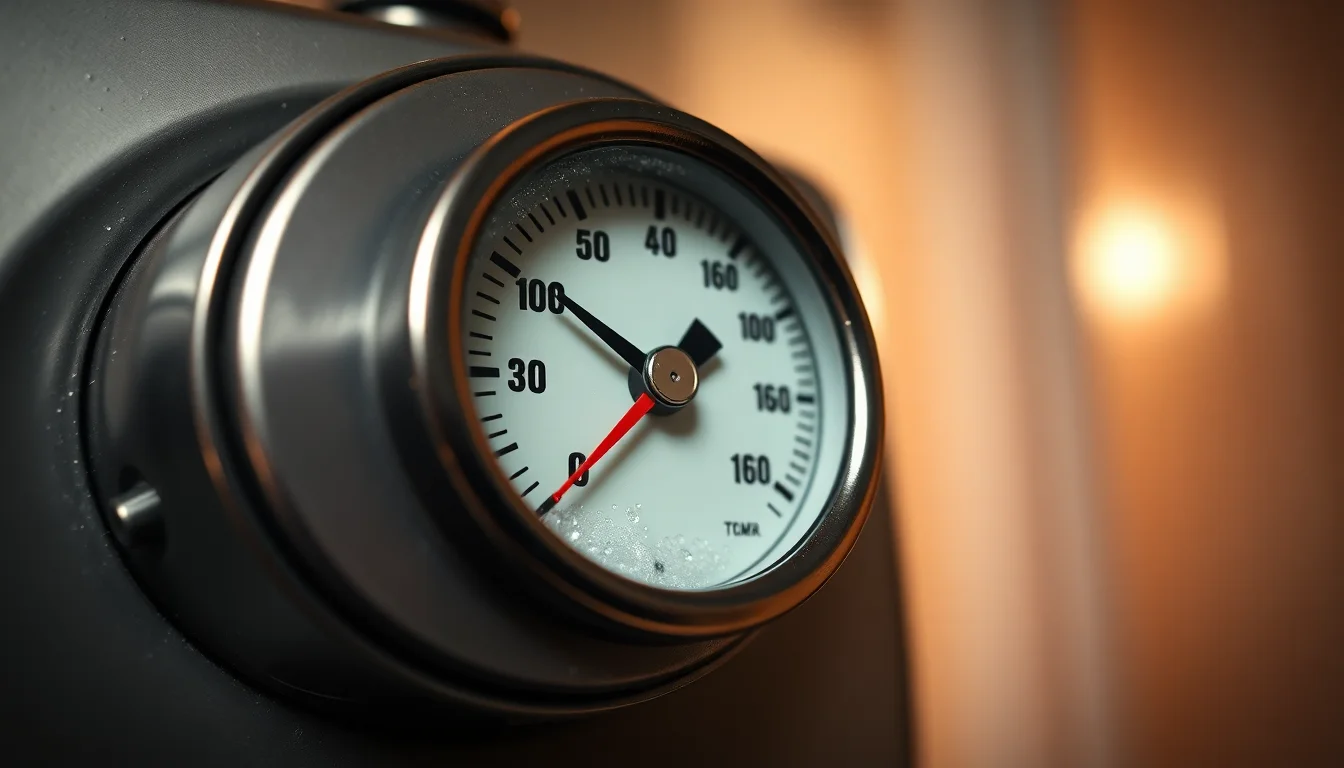
Boiler pressure is just the water pressure in the sealed heating circuit — pipes, radiators, and the heat exchanger — kept topped up to a set level so the system runs efficiently. Most manufacturers design for somewhere around 1.0–1.5 bar when the heating’s cold, rising a little when it’s running (that’s normal expansion, not a fault). When the gauge creeps down over days or weeks, water is leaving the sealed system somewhere, or the vessel that absorbs the normal expansion and contraction isn’t doing its job properly any more. There are three usual explanations, and they’re worth knowing before you assume the worst.
- A leak, often a small one. This doesn’t need to be dramatic — a slightly weeping radiator valve, a joint under a floorboard, or a pipe connection that’s never quite sealed can lose enough water over a week to show up as a pressure drop, long before you’d notice a puddle.
- A failing expansion vessel. This is a sealed component (often inside the boiler casing) that cushions the pressure changes as water heats and cools. When its internal diaphragm fails, the system can no longer absorb normal expansion properly, and pressure behaves erratically — sometimes dropping, sometimes spiking.
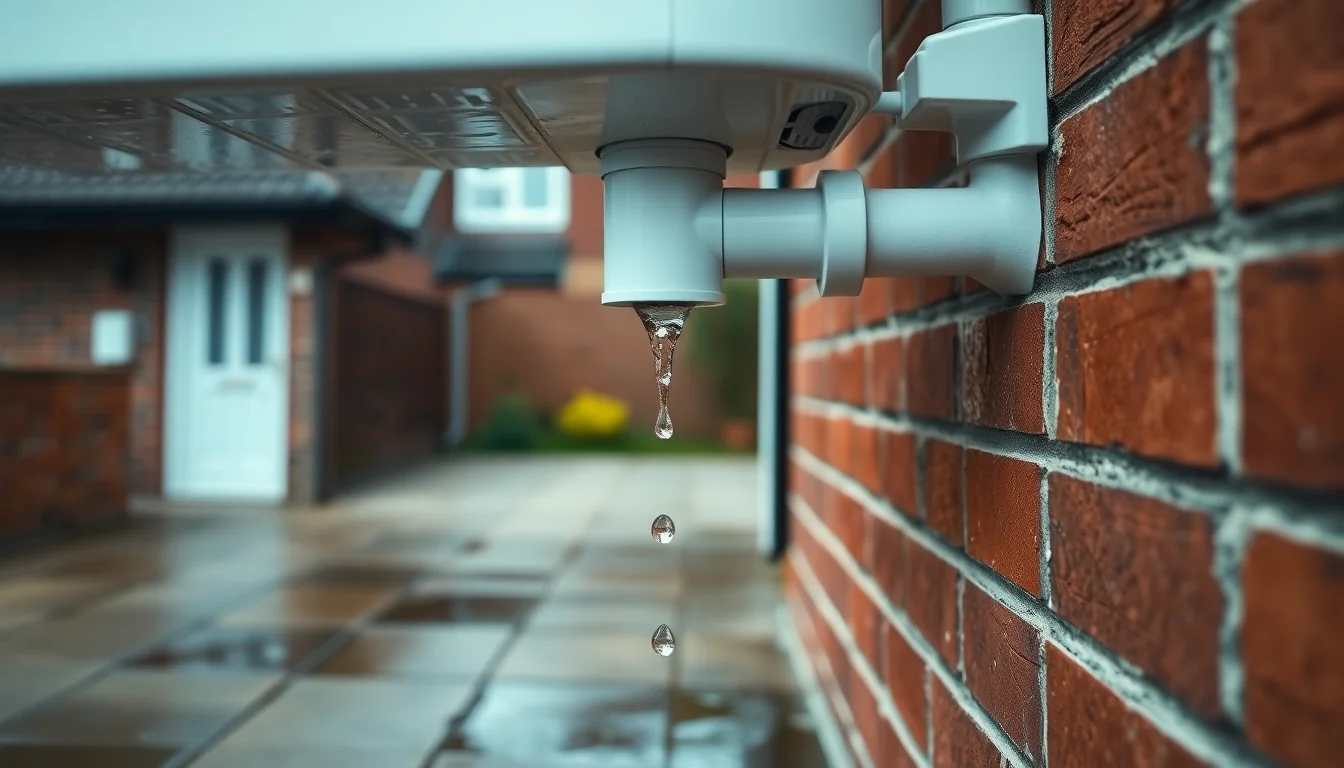
- A passing pressure relief valve (PRV). The PRV is a safety valve that releases water if pressure gets too high. If it’s not sealing properly, it can let water escape gradually even when pressure never actually gets dangerously high, which shows up as a slow, steady drop.
Working out which of the three it is usually needs a proper pressure test rather than guesswork from the symptoms alone — the point of getting someone in is to actually diagnose it rather than keep treating the symptom.
What you can safely check yourself
Most boilers have a filling loop — a flexible braided hose connecting the mains cold feed to the heating system, usually with two valves. Topping up is generally: with the boiler off and cool, open both valves slowly until the gauge reaches the manufacturer’s recommended level (commonly around 1.2–1.5 bar — check your boiler’s manual, as it varies by model), then close both valves fully. Don’t leave the filling loop connected or the valves open afterwards.
That said, there’s a limit to what’s sensible as DIY. If you can see an actual leak, don’t top up before it’s found and fixed — you’re just delaying the same problem. And if the pressure drops again within a day or two of topping up, that’s a clear signal you’re dealing with an ongoing leak or component failure, not a one-off blip — stop topping up repeatedly and get it looked at instead.
Older properties across Slough and the surrounding towns — the 1930s-60s estate housing that makes up a lot of the local stock, plus flats above the trading-estate units near Langley — are more likely to have pipework and radiator valves that have simply weakened with age, which is one reason a slow drop is common in older systems even when the boiler itself is relatively new.
When a leaking boiler is genuinely urgent
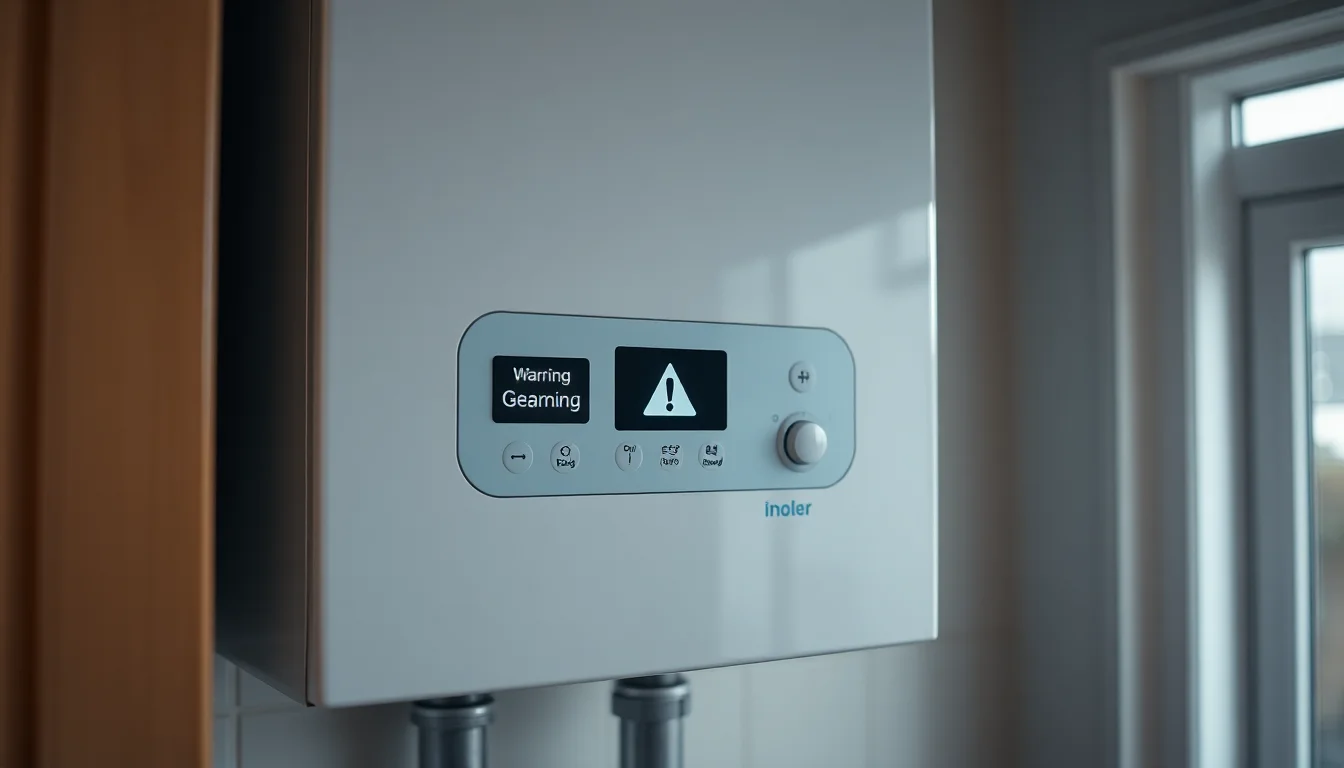
Most pressure loss is gradual and not an emergency — but if you can see or hear water actively escaping, especially anywhere near the boiler’s electrics, or the leak is worsening rather than steady, that crosses into the same category as any other active leak in the property. Isolate what you safely can and treat it the way you would any burst pipe or active leak — the first-steps advice there applies to a leaking boiler just as much as a leaking pipe.
FAQs
What’s normal cold pressure for a boiler?
Most domestic combi and system boilers are designed for roughly 1.0–1.5 bar when cold, though it varies by model — check the gauge’s marked range or your boiler’s manual for the exact figure yours expects.
Can I just keep topping it up myself?
A single top-up is a reasonable thing to try. Needing to repeat it every few days means water is genuinely leaving the system somewhere, and repeated topping-up without finding the cause just delays a proper diagnosis — and can mask a leak that’s doing damage out of sight.
Is a dropping boiler pressure dangerous?
Not usually on its own — most boilers simply lock out or underperform once pressure falls too low, rather than posing a direct risk. The exception is if you can see or smell water actively escaping near the boiler’s electrical components, which should be treated as urgent.
Book a boiler pressure check
If your boiler keeps needing topping up, or it’s dropped again shortly after you’ve already re-pressurised it, get in touch online with what you’re seeing — how often it drops, whether you can see any water, and what the gauge reads cold. Once it’s been properly assessed you can request a fixed-price quote online rather than guess what a repair might cost. We cover boiler and general plumbing call-outs right across Slough and Berkshire, including Windsor — see our plumber in Slough overview for the full picture of what we do.