TL;DR
A slow sink, a gurgling toilet and a drain overflowing in the garden are three different problems with three different fixes — the sink is almost always a local blockage you can try to clear yourself, while a gurgling toilet or an overflowing gully outside usually means the shared or main drain further down the line is affected, which is a bigger job. Slough’s older streets in Chalvey, Cippenham and around Upton, with their long-established 1930s-60s clay drainage runs, see this more often than newer estates. If you’ve already tried the obvious and it’s still backing up, book a drain clearance visit online rather than keep pouring things down it and hoping.
Slow sink, gurgling toilet, or overflowing outside — which is it?
The symptom tells you roughly where the problem is:
- A single sink or basin draining slowly is usually a local blockage in that appliance’s own waste pipe — hair, fat, or food debris caught close to the plughole or trap.
- A toilet that gurgles when you run a nearby tap, or water rising in the bowl, points to a blockage further down the pipework, often where your internal drainage joins the shared run.
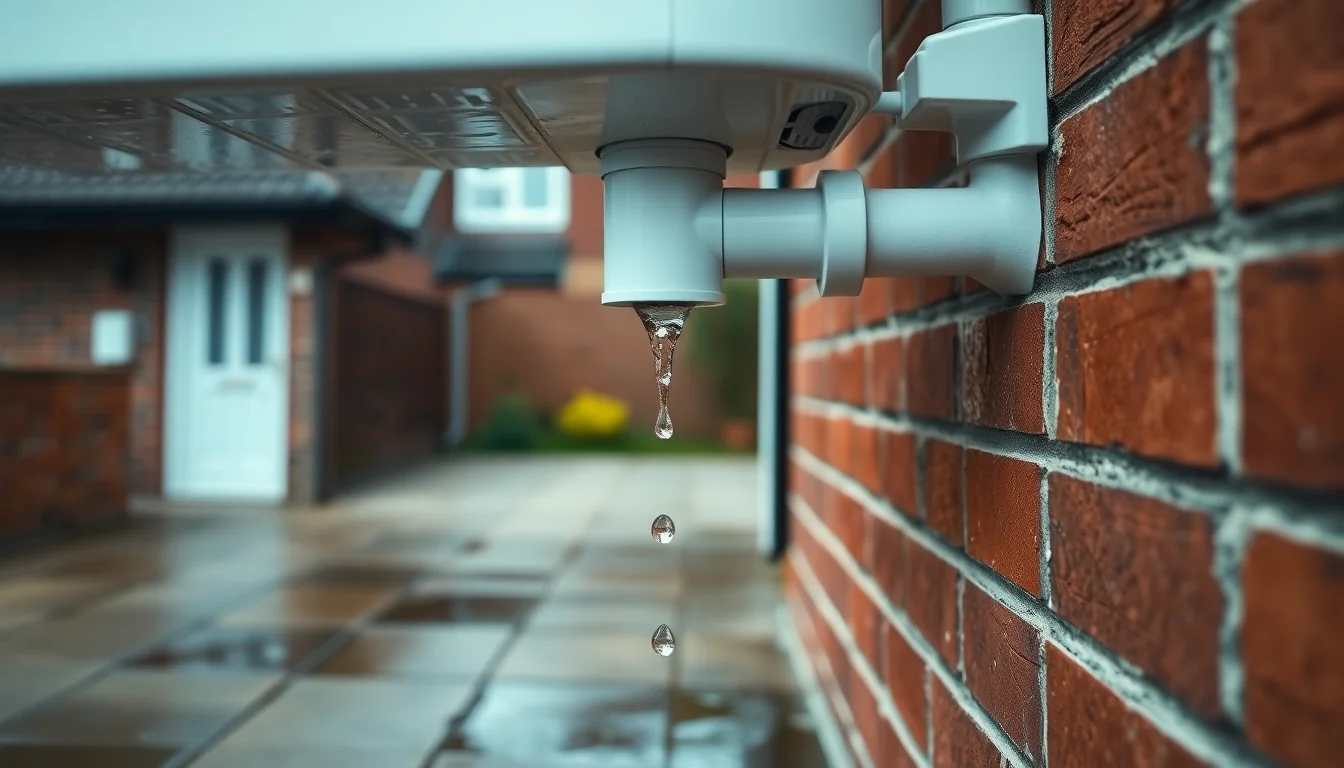
- A drain cover or gully overflowing outside, especially after rain, usually means the blockage is in the underground pipework itself — beyond anything a sink plunger can reach.
If more than one fitting in the house is affected at once — the toilet gurgles and the bath won’t drain — that’s a strong sign the problem is in the shared pipework rather than any one appliance.
Safe checks to try before you call anyone in
A few things are worth trying yourself before assuming the worst:
- A plunger on the affected fitting — sink, basin or toilet — is the first and safest thing to try. Give it a proper seal and several firm pumps rather than one half-hearted go.
- Check the outside gully nearest the affected room. If it’s full of leaves, silt or grease, clearing it by hand (with gloves) can restore flow immediately.
- Avoid chemical drain cleaners as a first resort. They rarely shift a genuine blockage, can damage older clay or cast-iron pipework common in Slough’s pre-1970s housing stock, and make it harder and less pleasant for whoever clears the drain afterwards if the chemicals are still sitting in standing water.
- Don’t keep flushing or running taps once you know there’s a blockage — that’s how a slow drain turns into water coming back up somewhere you don’t want it.
If none of that shifts it within a few attempts, it’s a job for proper drain-clearance equipment rather than more DIY.
Who’s responsible, and when it’s beyond DIY
This trips a lot of people up. Everything from your property’s internal pipework up to where it joins the public sewer is your responsibility. Once it’s in the shared or public network — which in this part of Berkshire is managed by Thames Water as the sewerage authority — a blockage there is theirs to sort, not yours. The practical difficulty is telling the difference from the surface: a blockage affecting just your house is almost always your side of the boundary; a blockage affecting your neighbours too, or a manhole cover in the street, points to the shared network. If you’re not sure which it is, that’s exactly the kind of thing worth getting looked at rather than guessing and potentially calling the wrong people.
Some signs mean it’s time to stop trying home fixes regardless of whose side of the boundary it’s on: water backing up faster than it drains away, more than one fitting affected, a smell that wasn’t there before, or a blockage that keeps coming back within days of “clearing” it yourself. At that point the job typically needs drain rods, an electric auger, or a CCTV drain camera to see exactly where and what the blockage is — none of which is standard kitchen-cupboard kit. Costs for proper drain clearance vary with how far into the run the blockage sits and what caused it, so rather than guess at a figure, the sensible move is to request a fixed-price quote online once someone’s had a proper look.
FAQs
Who’s responsible for a blocked shared drain?
Your own internal pipework and the section running to the boundary of your property are your responsibility. Once it joins the shared or public sewer network, that’s down to Thames Water as the sewerage authority for this area — though telling the two apart isn’t always obvious without a proper look.
Will bleach clear a blocked drain?
Rarely, for a genuine blockage. Bleach and most shop-bought drain cleaners are better at masking smell than shifting a solid obstruction, and repeated use can damage older pipework — common across Slough’s 1930s-60s housing stock — over time.
How do I know if it’s the main sewer?
The strongest signal is scale: if it’s just one sink or toilet, it’s almost certainly your internal pipework. If multiple fittings are affected, your neighbours report the same issue, or a manhole cover in the street is overflowing, it’s more likely the shared network — which points towards Thames Water rather than a straightforward callout.
Book a drain clearance visit
If a plunger and a clear-out of the outside gully haven’t sorted it, don’t keep pouring things down and hoping — get in touch online and describe what’s happening (which fittings, how long, any smell) so it can be properly assessed. We cover Slough and the surrounding towns, including Langley, Burnham and Iver — if you’re in one of those areas, the same triage steps above apply before booking a visit.